Why Your Espresso Tastes Sour, Bitter or Weak (And How to Fix It)
September 10, 2026 · 10 min read
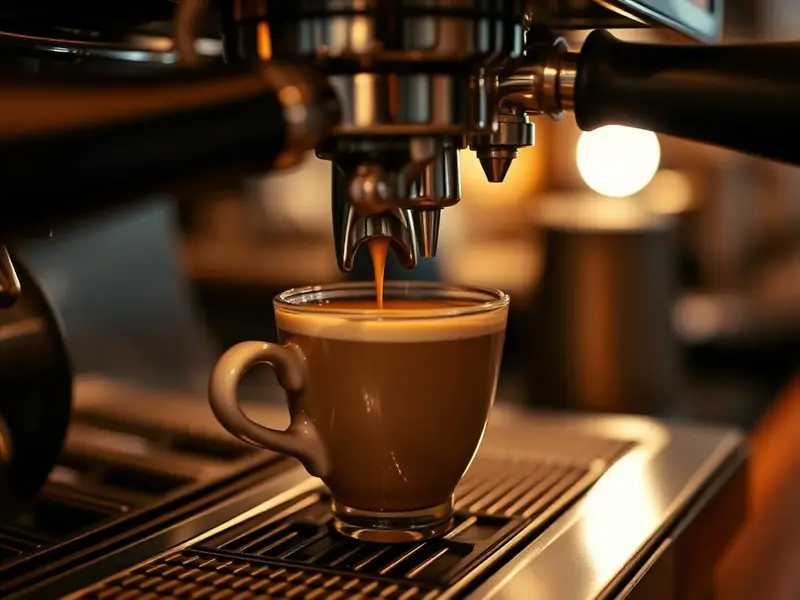
Every home barista has stood over a sink pouring out a shot that tasted like lemon juice or burnt toast. The good news: espresso extraction is a system with only a handful of variables, and they fail in a predictable order. Fix them in the sequence below and you'll solve 90% of bad shots without buying anything.
If you're brand new to dialing in, read our step-by-step espresso dial-in guide first — it sets the baseline recipe this article troubleshoots.
First, learn the taste map
Your tongue is the best diagnostic tool you own:
Sour, sharp, salty — under-extracted
The water ran through the puck too fast or too cool and didn't pull enough sweetness out of the grounds. Fix: grind finer, extend the shot time, or raise the brew temperature.
Bitter, ashy, drying — over-extracted
The water spent too long in contact with the coffee and pulled harsh compounds. Fix: grind coarser, shorten the shot, or drop the temperature a couple of degrees.
Sour AND bitter at once — channeling
Water found a weak path through the puck and over-extracted that channel while under-extracting the rest. Fix: improve distribution and tamping, and check your basket dose.
The fix order that actually works
| Step | What to check | Target |
|---|---|---|
| 1. Beans | Roast date | 3–30 days off roast |
| 2. Ratio | Dose in vs. liquid out | 1:2 in 25–35 s (18 g → 36 g) |
| 3. Grind | Shot time at fixed ratio | Adjust finer/coarser to hit 25–35 s |
| 4. Distribution | Clumps and tamping | Level, evenly packed bed |
| 5. Temperature | Brew temp | 93°C for medium roasts, 90–91°C for dark |
Change one variable at a time, in this order.
Notice that 'buy a new machine' is nowhere on the list. Most bad shots are stale beans or a grinder that can't make fine, even adjustments. A scale removes the biggest source of error — eyeballing — which is why an espresso-capable scale is the first accessory we recommend.
Timemore Black Mirror Nano
Pros
- Fits under any portafilter spout
- 0.1 g accuracy with shot timer
- USB-C rechargeable
- Fast enough to track flow
Cons
- Small surface for big mugs
- Not waterproof — wipe, don't rinse
When it IS the grinder
If your shots swing from sour to bitter with tiny grind changes, or you can't hit 25–35 seconds at all, the grinder is the bottleneck. Entry machines get blamed for this constantly, but it's almost always the grinder. Our espresso grinder roundup ranks the ones that hold up; the 1Zpresso J-Max is the budget hero if you're willing to crank by hand.
1Zpresso J-Max
Pros
- Espresso-fine adjustment in 8.8-micron steps
- Grind quality that beats $500 electrics
- Built like a tool, not an appliance
Cons
- Manual cranking every morning
- Small ~35 g hopper
The machine's role (small but real)
A machine contributes two things: stable pressure and stable temperature. Budget machines like the Gaggia Classic Pro and Breville Bambino Plus both do this well enough that they are rarely the cause of sour or bitter shots. If your water temperature swings wildly between shots, let the machine warm up 10 minutes and pull a blank shot first.
Breville Bambino Plus
Pros
- 3-second heat-up — no waiting
- Auto steam wand textures real microfoam
- Tiny footprint
- Forgiving pressurized baskets included
Cons
- 54 mm portafilter limits accessories
- Light body moves when locking in
Work the fix order top to bottom and taste every change. Within a bag of beans, most people land on a shot they're genuinely proud of — and then spend the rest of the year chasing it again, which is half the fun.
Get the baseline recipe with our espresso dial-in guide.Shop Ready to upgrade your setup? Check our full reviews.ShopBuy it now
Shop the gear in this guide
Live Amazon listings for the products mentioned above. Prices checked September 2, 2026.


Frequently asked questions
Why does my espresso taste sour?
Sour espresso is under-extracted — water passed through the coffee too fast. Grind finer, aim for a 25–35 second shot at a 1:2 ratio, and make sure your beans are at least 7 days off roast.
Why is my espresso bitter?
Bitter espresso is over-extracted. Grind coarser, shorten the shot to around 25–30 seconds, or lower the brew temperature by 2–3 degrees — especially with dark roasts.
What is the correct espresso shot time and ratio?
Start with a 1:2 ratio — 18 grams of ground coffee producing 36 grams of liquid espresso in 25–35 seconds. Adjust grind size to hit that window before changing anything else.
Can a bad grinder cause sour or bitter espresso?
Yes. A grinder that cannot make fine, even adjustments makes shots swing between sour and bitter with no stable setting. Upgrading the grinder fixes more bad shots than upgrading the machine.
Tools & deeper dives
Recommended gear
Gear used in this techniques guide
Editor-tested picks. Buying through these Amazon links keeps HomeCoffeeBrew free.
Free download
Like this guide? Get one every Sunday.
Plus our free Brew Ratio Cheat Sheet — dial-in ratios for every method, delivered instantly as a PDF.