Light Roast vs Dark Roast Coffee: Caffeine, Flavor and Which to Buy (2026)
September 3, 2026 · 10 min read
Walk into any grocery store and the coffee aisle splits into two camps: light roasts promising blueberries and jasmine, dark roasts promising bold, smoky intensity. The marketing makes it sound like a personality test. In reality, roast level is a set of predictable chemical trade-offs — and once you understand them, picking a bag gets easy.
We brewed the same coffees at three roast levels side by side for a month. Here's everything that actually changes between light and dark roast — flavor, caffeine, acid, freshness — plus the brewing methods that suit each, and the bags worth buying in 2026.
What roasting actually does to a bean
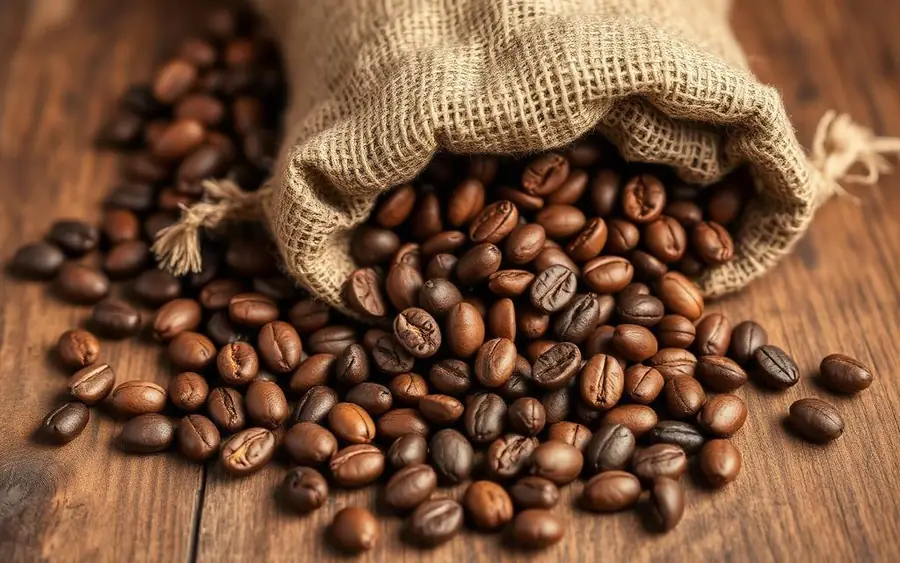
Green coffee beans are hard, grassy and undrinkable. Roasting triggers the Maillard reaction and caramelization: sugars brown, acids break down, oils migrate toward the surface. A light roast stops right after 'first crack' (around 385–405°F internal), preserving the bean's original character — the terroir, variety and processing. A dark roast pushes to or past 'second crack' (435–450°F+), where those origin flavors are largely replaced by roast flavors: smoke, dark chocolate, toasted nuts. Medium roast splits the difference.
Light roast vs dark roast at a glance
| Light roast | Medium roast | Dark roast | |
|---|---|---|---|
| Tastes like | Fruit, florals, tea-like brightness | Caramel, milk chocolate, balanced | Smoke, dark chocolate, bittersweet |
| Acidity | High, sparkling | Moderate | Low |
| Body | Tea-like | Round | Heavy |
| Caffeine (per bean) | Marginally higher | — | Marginally lower |
| Surface oil | Dry | Dry to slight sheen | Oily |
| Freshness window | 2–4 weeks | 2–3 weeks | 1–2 weeks |
| Best brew methods | Pour over, AeroPress | Everything | French press, espresso, milk drinks |
The real differences between roast levels.
The caffeine myth, settled
Dark roast does not have more caffeine. If anything it has marginally less, because a tiny amount degrades at higher temperatures. The confusion comes from measuring: light roast beans are denser, so a scoop of light roast contains slightly more coffee mass — and slightly more caffeine — than a scoop of puffy dark roast. Weigh your doses on a coffee scale and the difference all but disappears. Pick roast by flavor, not by the caffeine fairy tale.
Acidity and your stomach
Light roasts are higher in perceived acidity — the bright, sparkling quality that makes a washed Ethiopian taste like lemonade-adjacent fruit tea. That's flavor acidity. If coffee upsets your stomach, though, a dark roast or cold brew is genuinely gentler: longer roasting creates N-methylpyridinium, a compound shown to reduce stomach-acid secretion, and cold brewing extracts fewer irritant compounds regardless of roast.
Match the roast to your brewer
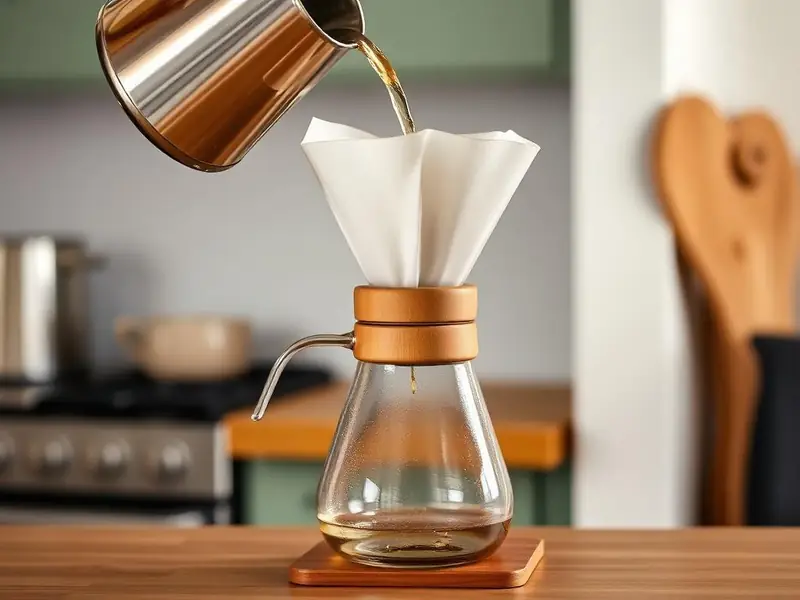
Light roasts shine in pour over and AeroPress, where paper filtration and precise temperature show off delicate aromatics — brew them hot (205°F) and fresh. Dark roasts are built for French press, moka pot and espresso: the heavy body and bittersweet roast character stand up to milk, sugar and immersion brewing. Very oily dark beans, one warning: the oil coats grinder burrs and super-automatic espresso internals. Run a mid-range dark roast in your machine and clean the grinder more often.
The bags we recommend in 2026
Stumptown Hair Bender (Light-Medium)
The gateway light roast — citrus and toffee that make pour over taste like a different drink.
Amazon · We may earn a commission
Intelligentsia Frequency Blend (Medium)
Caramel and dried fruit that works in literally every brewer — our default house coffee.
Amazon · We may earn a commission
Lavazza Super Crema (Medium-Dark)
Honey and hazelnut espresso blend — crema for days, and kind to grinders with low surface oil.
Amazon · We may earn a commission
Kicking Horse Grizzly Claw (Dark)
Chocolate and roasted hazelnut without the ashtray finish most dark roasts have.
Amazon · We may earn a commission
Which should you buy?
If you brew pour over or black filter coffee and enjoy tasting notes like berries or florals, buy light roast — from a roaster with a roast date on the bag, and use it within three weeks. If you add milk, brew espresso or French press, or just want 'classic coffee flavor' turned up to eleven, buy a medium-dark or dark roast. If you're not sure, start with a quality medium blend: it's the only roast that's genuinely excellent in every brewer on your counter. And whatever roast you pick, store it right — our bean storage guide covers the four things that kill freshness.
Not sure what setup fits your taste? Take the 30-second quiz.Shop Ready to upgrade your setup? Check our full reviews.ShopFrequently asked questions
Does dark roast have more caffeine than light roast?
No. Caffeine is nearly identical, and dark roast is marginally lower because a small amount degrades at higher roast temperatures. Light roast beans are denser, so a scoop contains slightly more coffee and caffeine by volume.
Is light or dark roast less acidic for your stomach?
Dark roast. Longer roasting creates N-methylpyridinium, a compound that reduces stomach-acid secretion. Cold brew is also gentler regardless of roast level.
Why does light roast cost more?
Light roasts showcase origin character, so they require higher-grade, defect-free green coffee, which costs more. Dark roasts mask defects, allowing cheaper blends.
Which brew method is best for light roast?
Pour over and AeroPress brewed hot, at about 205°F, highlight light roast aromatics best. Dark roasts excel in French press, moka pot and espresso.
Do oily beans damage coffee grinders?
Very oily dark roasts can coat burrs and clog super-automatic espresso machines. Choose a medium-dark roast and clean the grinder more often.
Tools & deeper dives
Recommended gear
Gear used in this beans guide
Editor-tested picks. Buying through these Amazon links keeps HomeCoffeeBrew free.
Free download
Like this guide? Get one every Sunday.
Plus our free Brew Ratio Cheat Sheet — dial-in ratios for every method, delivered instantly as a PDF.