Espresso vs Lungo vs Americano: Recipes and Key Differences
November 9, 2026 · 5 min read
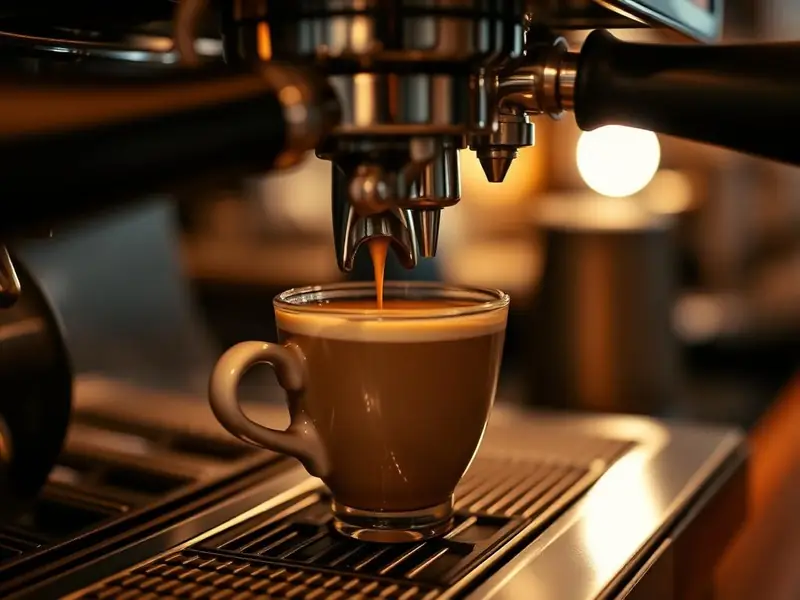
Espresso, lungo and Americano can all start with the same beans, but the water reaches the cup differently. Espresso is a concentrated extraction through a coffee puck. Lungo extends that extraction. Americano adds water to an espresso after brewing. That difference changes both texture and flavor, so running more water through the puck is not an interchangeable shortcut for making a bigger Americano.
The differences at a glance
| Drink | What changes | Example using an 18 g dose |
|---|---|---|
| Espresso | A concentrated shot | 36 g beverage from the puck |
| Lungo | More water is extracted through the puck | 54 g beverage as a starting experiment |
| Americano | Water is added after brewing | 36 g espresso plus 90–120 g water |
The examples are weighed starting points, not official definitions or promises of the best recipe for every bean. Espresso ratios vary, and a lungo can mean different things on different machines or café menus. If you use capsules, follow the system’s intended capsule size and machine guidance rather than treating an 18 g portafilter recipe as a capsule instruction. Our Nespresso versus Keurig comparison covers the broader system differences.
Espresso: build a balanced base first
Choose the dose your basket is designed to hold and keep it stable during initial adjustments. With a suitable basket, 18 g ground coffee and 36 g espresso is a common 1:2 starting ratio. Distribute the grounds evenly, tamp level, and weigh the beverage in the cup. Record the time as a diagnostic clue rather than trying to make every coffee finish at exactly the same second. A balanced shot can fall outside a recipe’s time range.
If the coffee tastes sharp and thin, investigate grind, puck preparation and yield. If it tastes harsh or drying, a different grind or shorter yield may help. Change one variable at a time. Uneven extraction can create both sour and bitter impressions, so a longer shot is not always a fix. Use the espresso troubleshooting guide when the flavor is confusing.
Lungo: longer extraction, not just a larger cup
For a first comparison, keep the same 18 g dose and try a 54 g beverage yield, a 1:3 ratio. More water goes through the puck, extracting a different balance of soluble compounds as the shot progresses. The result is generally less concentrated than a shorter espresso, but not necessarily milder in every flavor. Some beans become sweeter and more open; others become drying or unpleasantly bitter. Taste the experiment before making it your default.
If you enjoy the flavor but want more body, move the yield back slightly. If you want to refine the lungo recipe, adjust grind separately after choosing a yield you like. Do not simply run a double shot until a large mug is full: that can produce a poorly balanced drink and wastes the opportunity to make a clean comparison. For a full mug, an Americano often gives you more independent control over strength.
Americano: dilute a shot you already like
Brew a balanced espresso first, then add hot water to reach your preferred concentration. Begin with 36 g espresso and 90–120 g water, adjusting the added water after tasting. Adding water does not continue extracting the puck, so the shot’s underlying flavor remains the starting point. A harsh espresso becomes a diluted harsh espresso; it is worth correcting the base rather than trying to hide it under a very large volume of water.
You can pour the espresso into the water or add water to the espresso. Both combine the same ingredients; pour order changes the surface appearance and how the crema mixes, and some menus use separate names for the variations. Do not assume a name guarantees a precise ratio. If you order at a café, describe the cup size and strength you prefer. At home, use a heat-safe cup and avoid splashing when adding hot water.
How to compare all three fairly
Use the same bag and basket dose. Brew one espresso at your normal yield and a separate lungo at a measured longer yield. Make an Americano from another balanced espresso with a recorded amount of added water. Allow all three to cool enough to sip comfortably. Note sweetness, texture, acidity and aftertaste rather than choosing only by the strongest first sip. You may prefer espresso on its own but Americano alongside breakfast.
Changing beverage size does not tell you the exact caffeine content. The coffee, dry dose and extraction all contribute, and adding water alone does not remove the caffeine already in a shot. A larger Americano made from the same espresso has that shot’s caffeine distributed through more liquid. A lungo can extract a different amount, but a ratio is not a reliable milligram calculator. Choose decaf when desired, remembering that decaf is not entirely caffeine-free.
Milk drinks and iced variations
Espresso generally gives a concentrated base for milk because a large quantity of added brew water can make the finished drink thin. If you prefer a lungo in milk, use less milk and compare the result rather than following a rigid label. For an iced Americano, brew the shot separately and combine with cold water and ice in a suitable glass. Melting ice adds dilution, so begin with less water than for the hot version and adjust to the size of your glass.
A moka pot or AeroPress can produce concentrated coffee that you dilute, but it is not the same extraction as espresso from a pressure-driven machine. You can still make an enjoyable long drink. See the guide to espresso alternatives if you want the flavor style without buying an espresso machine.
Equipment that supports repeatable recipes
Breville Bambino Plus
Pros
- Compact espresso preparation for home
- Milk steaming supports other espresso drinks
Cons
- Needs a suitable grinder for fresh beans
- Check basket and machine instructions before choosing a dose
Baratza Encore ESP
Pros
- Espresso-focused adjustment range
- Also accommodates filter brewing
Cons
- Switching beans needs dialing in
- Not every recipe suits the same grinder setting
Timemore Black Mirror Nano
Pros
- Compact format for weighing shot yield
- Useful for comparing ratios
Cons
- Check clearance on your machine drip tray
- Verify load limit and operating instructions
Airscape Coffee Canister
Pros
- Reusable whole-bean storage
- Convenient access for a daily brewing routine
Cons
- Choose the right capacity
- Freshness still depends on the coffee and handling
Which should you make?
Choose espresso when you want a compact, concentrated drink or a milk-drink base. Try lungo when you want to explore how a longer extraction changes a particular bean. Choose Americano when you already like your espresso and want a larger, less concentrated drink without extending the extraction. Start from a balanced shot, make measured changes and keep the recipe that tastes best to you—not the one with the most impressive name.
Find espresso gear in the shopShopBuy it now
Shop the gear in this guide
Live Amazon listings for the products mentioned above. Prices checked September 2, 2026.


Frequently asked questions
Is a lungo the same as an Americano?
No. A lungo extends extraction through the grounds; an Americano adds water to a finished espresso.
What is a starting Americano ratio?
Try a 36 g espresso shot with 90–120 g added water, then adjust the water to taste.
Does adding water reduce the caffeine in espresso?
It lowers concentration per sip but does not remove the caffeine already present in the shot.
Tools & deeper dives
More on espresso and brewing basics.
Recommended gear
Gear used in this techniques guide
Editor-tested picks. Buying through these Amazon links keeps HomeCoffeeBrew free.
Free download
Like this guide? Get one every Sunday.
Plus our free Brew Ratio Cheat Sheet — dial-in ratios for every method, delivered instantly as a PDF.
Keep reading
More gear reviews and city guides
Product reviews
- Baratza Encore ESP · Grinder
- Baratza Encore · Grinder
- Fellow Opus · Grinder
- Eureka Mignon Specialita · Grinder
- 1Zpresso J-Max · Grinder
- 1Zpresso JX-Pro · Grinder
- Breville Bambino Plus · Espresso
- Breville Barista Pro · Espresso
- Gaggia Classic Pro · Espresso
- Rancilio Silvia Pro X · Espresso
- Hario V60 02 Ceramic · Pour-Over
- Chemex 6-Cup Classic · Pour-Over
- Kalita Wave 185 Stainless · Pour-Over
- Fellow Stagg EKG · Kettle
- Fellow Stagg [X] Pour-Over Set · Kettle
- Timemore Black Mirror Basic 2 · Scale
- Timemore Black Mirror Nano · Scale
- Hario V60 Drip Scale · Scale
- Acaia Pearl S · Scale
- AeroPress Original · Immersion
- AeroPress Go · Immersion
- Bodum Chambord 8-Cup French Press · Immersion
- Bialetti Moka Express 6-Cup · Immersion
- Bialetti Venus Stainless · Immersion
- Toddy Cold Brew System · Immersion
- Bonavita BV1900TS 8-Cup · Drip & Pod
- OXO Brew 8-Cup Coffee Maker · Drip & Pod
- OXO Brew Compact Single Serve · Drip & Pod
- Keurig K-Elite · Drip & Pod
- Nespresso Vertuo Next · Drip & Pod
- Third Wave Water Classic Profile · Water & Storage
- BWT Magnesium Filter Pitcher · Water & Storage
- HM Digital TDS-EZ Meter · Water & Storage
- Airscape Coffee Canister · Water & Storage
- Fellow Atmos Vacuum Canister · Water & Storage