Best Coffee Beans for Espresso in 2026 (And What to Avoid)
September 12, 2026 · 9 min read
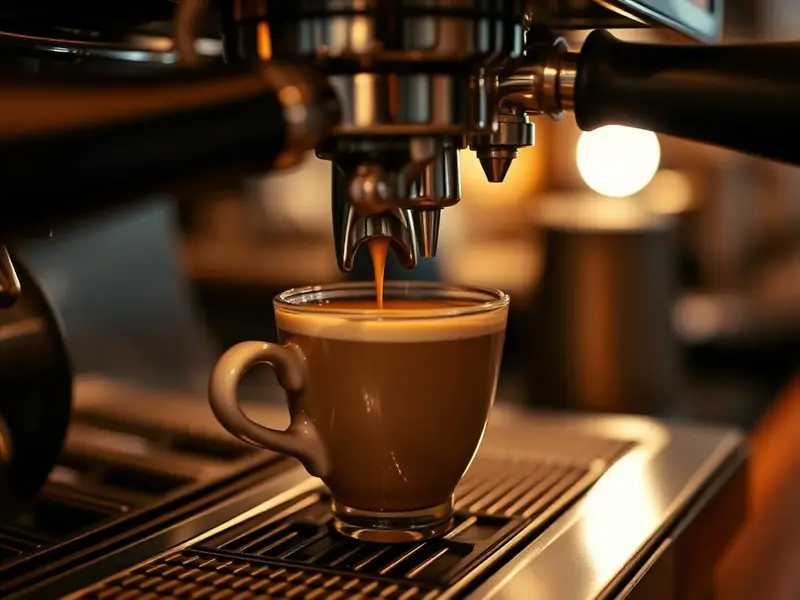
Espresso concentrates everything about a coffee — the good and the bad — by a factor of ten. That's why bean choice matters more for espresso than for any other brew method, and why the wrong bag can make a $1,000 machine taste worse than a $40 AeroPress. Here's how to buy beans that actually work under pressure.
The golden rule: fresh, but not too fresh
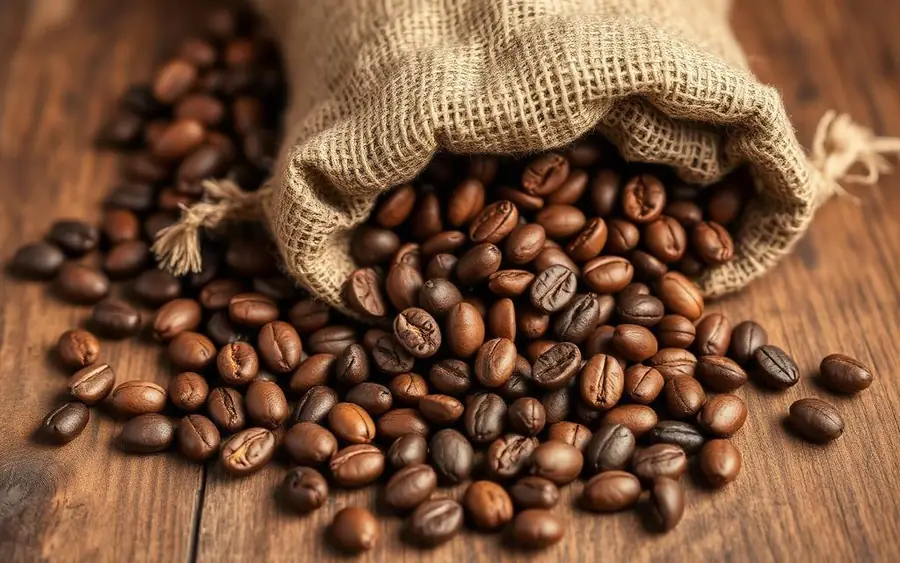
Espresso beans have a sweet spot most people miss: 7 to 30 days off roast. Fresher than a week and the beans are still off-gassing CO2 so aggressively that shots bubble, channel and taste sharp. Older than a month and the aromatics are gone — you get flat, woody shots no matter how good your technique. Buy bags with a roast date printed on them, and skip anything that only shows a 'best by' date.
Store them in an airtight, opaque container at room temperature — never the fridge or freezer for daily-use beans. Our bean storage guide covers the full science; a vacuum canister like the Fellow Atmos makes it effortless.
Fellow Atmos Vacuum Canister
Pros
- Twist-to-vacuum lid actually removes air
- Keeps beans in the sweet spot weeks longer
- Looks great on the counter
Cons
- Lid isn't dishwasher safe
- 0.7 L holds less than a full 1 kg bag
Which roast level for espresso?
| Roast | Tastes like | Best for | Watch out |
|---|---|---|---|
| Light | Fruity, bright, tea-like | Straight shots, adventurous drinkers | Sour if your machine runs cool |
| Medium | Chocolate, caramel, balanced | 90% of home baristas | Hard to go wrong |
| Dark | Bold, smoky, bittersweet | Milk drinks, traditionalists | Oily surface clogs grinders |
Roast level changes everything about the shot.
Start with medium roast — it's the most forgiving and the most balanced, and it works in both straight shots and milk drinks. Our light vs. dark roast breakdown explains the caffeine and flavor science if you want to go deeper.
Blends vs. single origins
Espresso blends exist for a reason: roasters combine beans to hit a consistent flavor target year-round, and they're engineered to extract evenly. A Brazilian base gives body and chocolate; a touch of Ethiopian adds fruit. Single origins are more exciting but less forgiving — a washed Ethiopian light roast will punish a machine that can't hold temperature.
Practical advice: learn on a classic espresso blend until your shots are consistent, then start exploring single origins. If your shots are sour or bitter no matter what bean you buy, the problem is technique or gear — our espresso troubleshooting guide walks through the fix order.
Why oily beans are a trap
Shiny, oily beans look premium but they're over-roasted: the oils have been pushed out of the bean, where they oxidize and go rancid fast. Worse, those oils coat your grinder's burrs and the machine's group head, building up stale residue that taints every subsequent shot. If you love dark roasts, choose ones with a dry surface — and clean your grinder monthly. Speaking of which: espresso demands a grinder that can make fine, repeatable adjustments, which is why the grinder matters more than the machine. The Baratza Encore ESP is our top pick under $250.
Baratza Encore ESP
Pros
- Espresso AND filter from one grinder
- Micro-adjustments in the espresso range
- Fully repairable, parts everywhere
- Simple, durable, no app required
Cons
- Some retention — single-dose it
- Not as quiet as premium options
Buy fresh medium-roast blends, store them airtight, grind fine and fresh — that's 80% of great espresso before you ever touch the machine.
Pair your beans with the right dose — try the brew ratio calculator.Shop Ready to upgrade your setup? Check our full reviews.ShopBuy it now
Shop the gear in this guide
Live Amazon listings for the products mentioned above. Prices checked September 2, 2026.


Frequently asked questions
What roast is best for espresso?
Medium roast. It is balanced, forgiving of temperature swings, and works in both straight shots and milk drinks. Light roasts can taste sour on cooler machines; dark roasts turn bitter and oily.
How fresh should espresso beans be?
Use beans 7 to 30 days after the roast date. Fresher than a week and trapped CO2 causes bubbly, sharp shots; older than a month and the coffee tastes flat. Buy bags with a printed roast date.
Are oily coffee beans bad for espresso machines?
Yes. Oily beans are over-roasted; the surface oils oxidize quickly and coat grinder burrs and the group head with stale residue. Choose dark roasts with a dry surface and clean the grinder monthly.
Blend or single origin for espresso?
Start with an espresso blend — roasters engineer blends to extract evenly and taste consistent. Move to single origins once your shots are repeatable, since they are less forgiving.
Tools & deeper dives
More on espresso, grinders and brewing basics.
Recommended gear
Gear used in this beans guide
Editor-tested picks. Buying through these Amazon links keeps HomeCoffeeBrew free.
Free download
Like this guide? Get one every Sunday.
Plus our free Brew Ratio Cheat Sheet — dial-in ratios for every method, delivered instantly as a PDF.