Best Coffee Beans for Pour Over in 2026 (Roasts, Origins, What to Buy)
October 20, 2026 · 8 min read
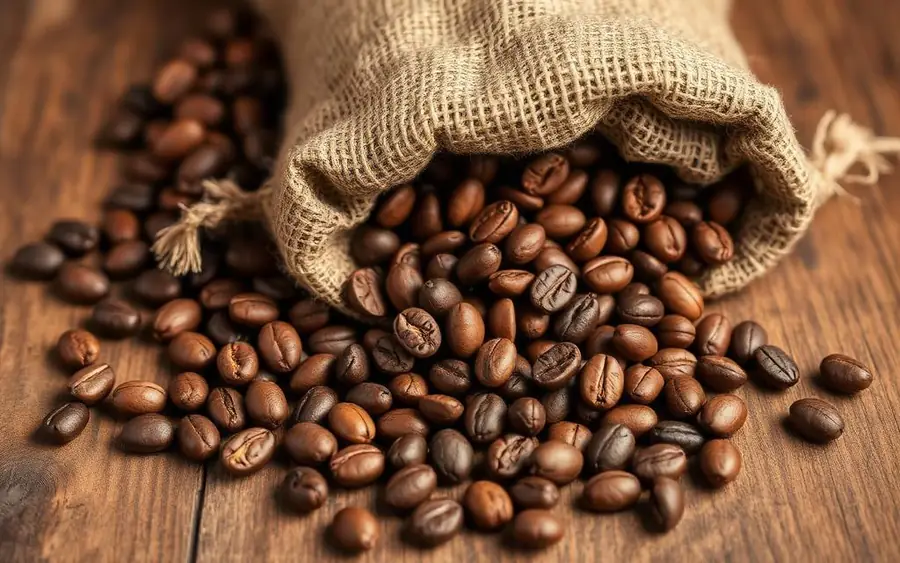
Pour over is the most transparent brew method there is: no pressure, no milk, nowhere for a mediocre bean to hide. That's why choosing beans for a V60 or Chemex is different from choosing espresso beans. Here's what actually matters — roast level, origin, freshness — and the specific beans we reach for.
Roast level: light to medium, almost always
Light and light-medium roasts are where pour over shines. The slow, gentle extraction pulls out the floral, fruity and tea-like notes that darker roasting burns away. Dark roasts in a pour over tend to taste ashy and hollow — save those for espresso or French press. If you've only ever drunk dark roast, a washed Ethiopian light roast is the classic mind-blowing first cup. Our light roast vs dark roast guide explains the chemistry.
Origin cheat sheet
| Origin | Typical flavors | Best for |
|---|---|---|
| Ethiopia (washed) | Jasmine, bergamot, lemon, tea-like | The classic pour over experience |
| Ethiopia (natural) | Blueberry, strawberry, wine | Adventurous drinkers |
| Kenya | Blackcurrant, grapefruit, juicy acidity | People who find other coffees boring |
| Colombia | Caramel, red apple, balanced | Crowd-pleasers and beginners |
| Guatemala | Chocolate, toffee, orange | A bridge from dark roast to light |
| Brazil | Nutty, chocolate, low acid | Gentle, easy-drinking cups |
Start with Colombia or Guatemala if you're moving away from dark roast.
Freshness beats everything
A fresh, mediocre bean beats a world-class stale one. Buy whole beans with a roast date (not a 'best by' date) and brew them within 3–21 days of roasting. Store them in an airtight, opaque canister at room temperature — never the fridge. Our bean storage guide has the full rules, and a vacuum canister is the cheapest freshness insurance there is.
Airscape Coffee Canister
Pros
- Pushes air out with a plunger lid
- Keeps beans noticeably fresher for weeks
- Opaque steel blocks light
- Cheap insurance for expensive beans
Cons
- Lid gasket needs occasional cleaning
- Not fully vacuum-sealed like the Atmos
Grind fresh, grind right
Pour over is unforgiving about grind size: too fine and it stalls and turns bitter, too coarse and it's sour water. Grind medium-fine (table salt texture) immediately before brewing — ground coffee loses aromatics within 15 minutes. A consistent burr grinder matters more here than in any other method; see our grinder roundup for tested picks.
Baratza Encore
Pros
- The default recommendation for pour over grinding
- Consistent, even particles at medium settings
- 40 grind settings
- Repairable forever — parts for everything
Cons
- Not fine or precise enough for espresso
- Loud
Water: the ingredient you forgot
Coffee is 98% water, and pour over exposes water problems ruthlessly. Very hard water mutes acidity and scales your kettle; distilled water brews flat. Aim for 50–100 ppm total hardness, or use a mineral packet like Third Wave Water in distilled water for café-grade results every time. Full details in our water quality guide.
Third Wave Water Classic Profile
Pros
- Turns distilled water into ideal brewing water
- Noticeably brighter, sweeter cups
- Cheaper than a filtration system
- Consistent results anywhere
Cons
- Ongoing cost per gallon
- One more step in the routine
Once you have fresh light-roast beans, a decent grinder and good water, technique is the last variable — our pour over step-by-step guide walks through the bloom, the pours and the timing.
Shop grinders, drippers and canisters in one place.Shop Ready to upgrade your setup? Check our full reviews.ShopBuy it now
Shop the gear in this guide
Live Amazon listings for the products mentioned above. Prices checked September 2, 2026.


Frequently asked questions
What roast is best for pour over coffee?
Light to light-medium roast. Pour over's gentle extraction highlights the floral and fruity notes that dark roasting burns away. Dark roasts tend to taste ashy and hollow in a pour over — save them for espresso or French press.
Which origin is best for a first pour over?
Washed Ethiopian is the classic choice — jasmine, bergamot and lemon notes that show what pour over can do. If you're moving from dark roast, start with Colombia or Guatemala for a familiar chocolate-and-caramel profile.
How fresh do beans need to be for pour over?
Brew whole beans within 3–21 days of the roast date and store them in an airtight, opaque canister at room temperature. A fresh mediocre bean beats a world-class stale one every time.
What grind size for pour over?
Medium-fine, about table-salt texture, ground immediately before brewing. Too fine stalls the brew and turns bitter; too coarse brews sour and weak. A consistent burr grinder matters more in pour over than any other method.
Tools & deeper dives
More on pour over, beginners and brewing basics.
Recommended gear
Gear used in this beans guide
Editor-tested picks. Buying through these Amazon links keeps HomeCoffeeBrew free.
Free download
Like this guide? Get one every Sunday.
Plus our free Brew Ratio Cheat Sheet — dial-in ratios for every method, delivered instantly as a PDF.
Keep reading
More gear reviews and city guides
Product reviews
- Baratza Encore ESP · Grinder
- Baratza Encore · Grinder
- Fellow Opus · Grinder
- Eureka Mignon Specialita · Grinder
- 1Zpresso J-Max · Grinder
- 1Zpresso JX-Pro · Grinder
- Breville Bambino Plus · Espresso
- Breville Barista Pro · Espresso
- Gaggia Classic Pro · Espresso
- Rancilio Silvia Pro X · Espresso
- Hario V60 02 Ceramic · Pour-Over
- Chemex 6-Cup Classic · Pour-Over
- Kalita Wave 185 Stainless · Pour-Over
- Fellow Stagg EKG · Kettle
- Fellow Stagg [X] Pour-Over Set · Kettle
- Timemore Black Mirror Basic 2 · Scale
- Timemore Black Mirror Nano · Scale
- Hario V60 Drip Scale · Scale
- Acaia Pearl S · Scale
- AeroPress Original · Immersion
- AeroPress Go · Immersion
- Bodum Chambord 8-Cup French Press · Immersion
- Bialetti Moka Express 6-Cup · Immersion
- Bialetti Venus Stainless · Immersion
- Toddy Cold Brew System · Immersion
- Bonavita BV1900TS 8-Cup · Drip & Pod
- OXO Brew 8-Cup Coffee Maker · Drip & Pod
- OXO Brew Compact Single Serve · Drip & Pod
- Keurig K-Elite · Drip & Pod
- Nespresso Vertuo Next · Drip & Pod
- Third Wave Water Classic Profile · Water & Storage
- BWT Magnesium Filter Pitcher · Water & Storage
- HM Digital TDS-EZ Meter · Water & Storage
- Airscape Coffee Canister · Water & Storage
- Fellow Atmos Vacuum Canister · Water & Storage